

Why Recognizing ADHD Symptoms Early Can Support Better Long-Term Health
Recognizing ADHD symptoms early can make a meaningful difference in how adults manage their health, work, relationships, and daily responsibilities. Attention difficulties are sometimes mistaken for laziness, stress, or poor organization. As a result, some people spend years trying to manage challenges without understanding what may be contributing to them. Fortunately, Ascend Mind and Body in Wesley Chapel can help individuals better understand persistent concerns and explore appropriate support. Early recognition does not automatically mean someone has ADHD. It creates an opportunity to seek a proper evaluation, understand persistent patterns, and explore appropriate support before difficulties become more disruptive.
Recognizing Persistent Patterns
ADHD symptoms can appear in different ways. Some adults struggle with concentration, forgetfulness, impulsive decisions, or managing time. Others have difficulty starting tasks, organizing information, or completing projects. These experiences can happen to anyone occasionally. The concern grows when they are persistent, occur across different areas of life, and interfere with normal responsibilities. Recognizing these patterns can help adults distinguish occasional difficulties from problems that deserve professional attention. Looking back at school, work, and personal experiences may also reveal that certain challenges have been present for many years. This broader perspective can provide useful information during an evaluation.
Understanding Health Connections

ADHD does not affect attention alone. The condition can influence routines that are important for general health. An adult who frequently forgets appointments may delay preventive care. Someone who struggles with organization may find it difficult to maintain regular meals, exercise, sleep, or medication schedules. Impulsive behavior can sometimes contribute to unhealthy choices. These connections do not mean every health problem is caused by ADHD. However, recognizing how attention and executive functioning difficulties affect daily routines can help adults identify areas that need support. Addressing those challenges may make healthy habits easier to maintain over time.
Reducing Ongoing Stress
Unrecognized ADHD can create repeated frustration. An adult may constantly miss deadlines, lose important items, forget commitments, or underestimate how long tasks will take. These experiences can lead to embarrassment and ongoing stress. Over time, that pressure may affect sleep, relationships, productivity, and overall quality of life. Early recognition can provide a different explanation for these patterns. Instead of viewing every difficulty as a personal failure, adults can begin looking at practical strategies and appropriate professional support. This shift can reduce unnecessary self-blame and encourage healthier ways of handling everyday challenges.
Protecting Future Well-Being
Early recognition can also support better long-term health by encouraging adults to address problems before they become deeply established. Consistent sleep, balanced nutrition, physical activity, preventive healthcare, and stress management all contribute to well-being. ADHD symptoms can make these habits harder to maintain, but identifying the barriers can make them easier to address. Treatment and support may also improve functioning in areas that indirectly affect health. Better organization can make appointments easier to remember. Improved time management can create space for exercise or meal preparation. Greater awareness of impulsive behavior may help someone pause before making decisions that could affect their health or finances.…

 When the body engages in physical activity, especially strength-based movement, muscle fibers experience minor damage. This damage is a normal and necessary part of building strength. Rest is when the repair process occurs. During recovery periods, the body rebuilds and strengthens muscle fibers to better handle future demands. Without sufficient rest, this repair cycle is interrupted, leading to weaker muscles over time rather than stronger ones. Continuous strain without recovery can cause fatigue, reduced performance, and increased injury risk. Rest allows the body to complete the adaptation process that makes strength training effective in the first place.
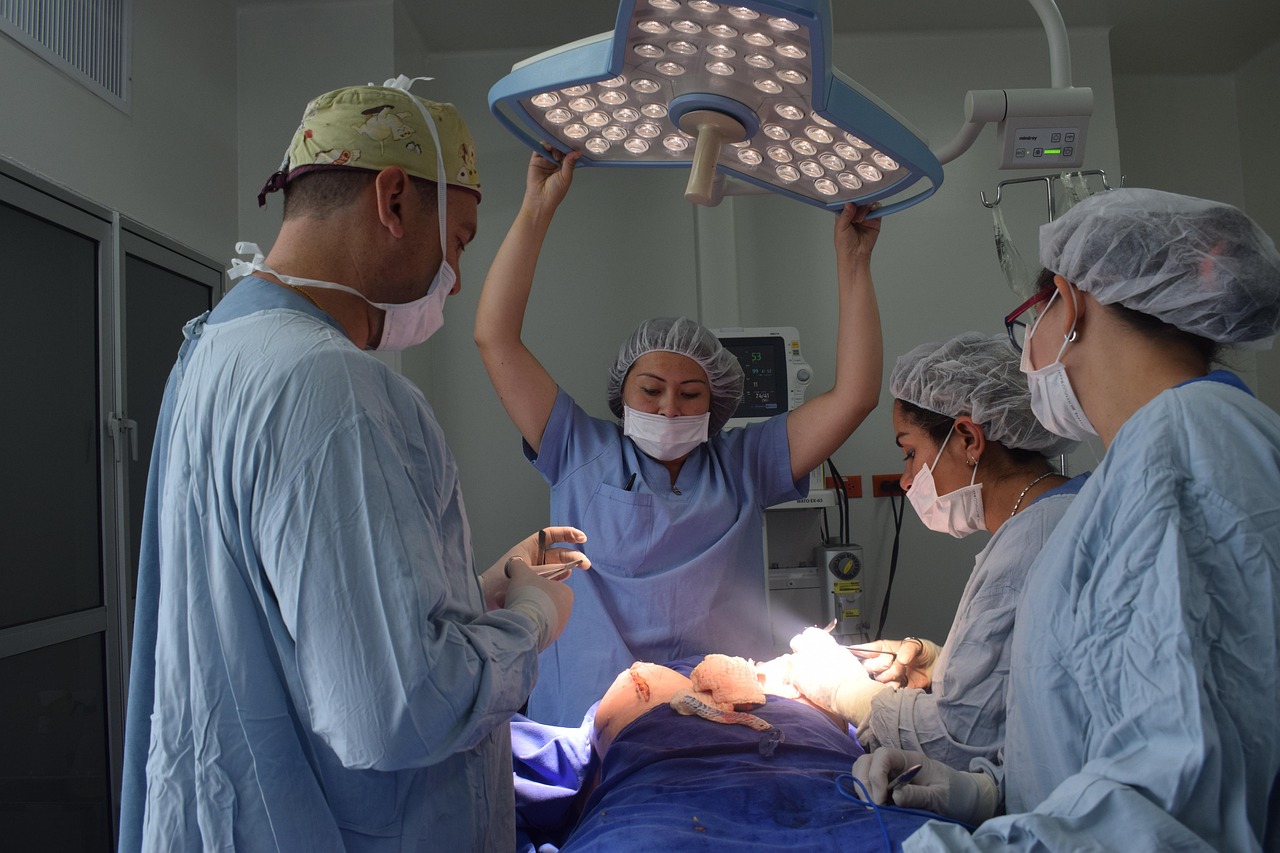
 The first 72 hours after surgery can feel like a rollercoaster ride. As your body begins its healing process, pain and swelling often take center stage. You might expect some discomfort, but the intensity can catch you off guard. Swelling is another common visitor during this time. Your body is reacting to trauma, and it’s normal for areas around your incision sites to puff up more than anticipated. Ice packs become your new best friend as they help minimize this reaction.




 Mental health services are an important part of any rehabilitation program. Mental health disorders can be a major barrier to recovery, so these disorders must be treated early and effectively. Various mental health services are available, including individual and group therapy, medication management, and case management. Individual therapy can help patients work through their feelings and thoughts about their addiction and recovery.


 One of the best treatments for device addiction is cognitive-behavioral therapy (CBT). This type of therapy focuses on identifying and changing unhealthy thought patterns and behaviors related to using devices. CBT can help you identify triggers that make you reach for your smartphone and give you tools to modify your behavior in a positive way. If you get admitted in rehab, they will provide you with CBT and other therapies to help you overcome your device addiction. Which is why it is one of the best treatments available. If you are looking for rehab centers specializing in this type of therapy, look no further.
 The last treatment we’ll discuss is psychotherapy. This therapy can help you identify the underlying causes of your device addiction and develop strategies to manage it. It can also provide a safe space to explore any emotions or thoughts related to your phone use to better understand why it might be an issue for you. Usually, this type of therapy is done in a one-on-one setting with a qualified therapist. But it would be best to find the right therapist who understands your needs. This way, you can get the best treatment for device addiction.
 Heart disease is a general term used to describe several conditions that affect the heart. These conditions include coronary artery disease, heart failure, and arrhythmias. According to the Centers for Disease Control and Prevention (CDC), about 610,000 people die annually from heart disease in the United States. That’s about one in every four deaths. Heart disease is often caused by a combination of genetics, lifestyle choices, and underlying health conditions. Some of the most common risk factors for heart disease include high blood pressure, high cholesterol, diabetes, and smoking.
 It’s not common knowledge that COPD exists. COPD is a group of lung diseases that make it hard to breathe. Asthma, emphysema, and chronic bronchitis are some of these diseases. Over 120,000 Americans die from COPD every year, according to the CDC.
 Diabetes is a chronic condition that occurs when the body can’t produce enough insulin or can’t properly use the insulin it does have. Insulin is a hormone that helps regulate blood sugar levels. When blood sugar levels are too high, it can lead to serious health complications, including heart disease, stroke, kidney disease, and blindness.